Isn’t that always the case?

I was apprehensive about this visit (March 15, 2023) given my experience with “Amber” back in December.
But I worried for naught. This time I was seen by another PA (“Mallory”) as well as Dr. Gandhi herself. Mallory was quite receptive to my questions and answered each one. She acknowledged the risk of diabetes as increased in postmenopausal women who take anastrozole and discussed that risk with me. She stated that she read every one of the studies I had submitted to the doctor. She did a thorough breast examination and reviewed self-exam techniques. Then Dr. Gandhi explained how treatment with Zometa will help prevent recurrent cancer as well as improve my bone density, which is being slowly destroyed by anastrozole, and I had my first infusion that very day.
Breast exam was entirely normal — no palpable lumps, no skin dimpling or thickening, no nipple retraction. No enlarged nodes.

Yay!! Finally, I am receiving appropriate care from providers who know what they are doing!
Definitely very good news!
I wish things had stopped there, but they didn’t.

Nobody — not the PAs or nurse practitioners, and especially not the doctor– will acknowledge my sordid past history with Ajay Dhakal. Even though it is documented in the Pluta notes and details are invariably elicited at each office visit, the summary that results is simply anosognostic.
It’s as if they have deaf eyes.
It’s as if it never happened.

But it did happen — and was worsened by an incompetent doctor who either couldn’t or wouldn’t diagnose it. I live with the effects of his arrogance and negligence every day. I pay for the extensive (and expensive!) treatment that saved me from his incompetence every month.
Actually, it was mentioned once, in December 2022 , when “Amber” wrote: “The patient switched her care [here] because she had a bad relationship with her doctor.”
Clearly, whatever happened wasn’t worth describing. But it was nonetheless deemed my fault.
When I protested this inaccurate assessment, the statement was not revised; it was removed in its entirety.
As if it never happened.
At this most recent visit (March 15, 2023), we spent 15-20 minutes in an emotional discussion about Dr. Dhakal and the trauma he caused. Ultimately the social worker was summoned; I declined her services but did take her card.
None of this was reported in the visit summary.
It’s as if it never happened.
Again.
Their strategy is simple and straightforward.
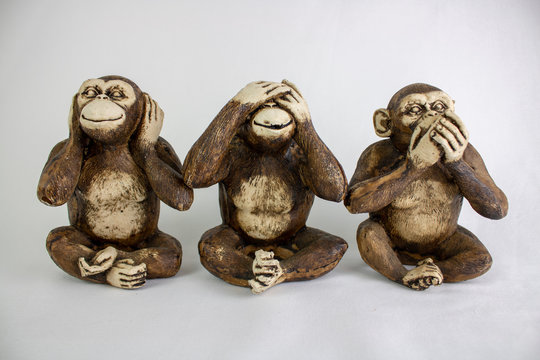
However, their strategy does not allow any of my fear, pain, or trauma to go away.
What it does allow is my doctor and her staff to write my medical records with a pen dipped in some sort of perverted professional fealty.
It allows Holly Anderson, Director of the Breast Cancer Coalition of Rochester, to demand that I “choose” to shut up.
It allows Marcia Krebs, MD, Chief of Medical Oncology at Pluta, to defend Dr. Dhakal and erase his incompetence without saying a word.
It allows Dr. Dhakal to sweep his medical mistakes under the proverbial rug and to cleverly turn the tables to become my “victim.”
It allows me to be shamed and blamed for being his victim.
It’s as if it never happened. Over and over again.
Of course, they will never abandon this strategy. It works for them. Besides, they aren’t the ones who were violated.
It doesn’t work for me, because I was.
Am I crazy?
In view of all these things that never happened, I see a therapist who tells me I am not crazy. He agrees that it did happen, exactly as I remember it. He tells me it’s not my fault. . .but then wonders if it is by asking “why do you hold on to the anger?”
I don’t hold on to the anger. The anger holds on to me.

I don’t want revenge.
I want validation.
I want to know that it did happen but shouldn’t have. I want to know that I am not crazy for reacting to its trauma — physical, emotional, and financial. I want to be understood, acknowledged, and believed. I want to know that *anyone* who experienced what I did would feel horribly violated. I want to know that under these circumstances anger is approriate.
And then I want to know why this incompetent excuse-for-a-doctor enjoys unquestioned protection from his colleagues — at my emotional expense. I want to know why my medical record is distorted into an instrument that hides his negligence and ignorance. I want to know why this horrible experience is trivialized as if it was nothing more than a bad dream and why nobody worries about the next typhlitic patient who trusts Dr. Dhakal — nobody but me, that is, because I know that she may not survive his special kind of “personal care.”
I almost didn’t.

This ^ ^ ^ makes more sense to me.
This is my goal. I don’t want to feel like damaged goods. I want to feel good enough to be treated with respect. I want to trust people, including my medical providers, and I want them to trust me back. I want to feel whole again, despite Dr. Dhakal and his near fatal “personal care.”

Because I don’t deserve to be abused by a doctor whose carelessness, ignorance, and arrogance brought me to the brink of death — but I was.
Because I don’t deserve to live with the stress of a half-treated cancer and the never-ending symptoms caused by living without a third of my lower GI system — but I do.
Because I don’t deserve to be invalidated and condemned by timid, misguided, and/or biased people who protect Dr. Dhakal from himself and deny his victim(s) — but I am.
Maybe the anger will eventually go away, maybe it won’t. However, if I attain this goal, it won’t matter.
 Beat Breast Cancer